

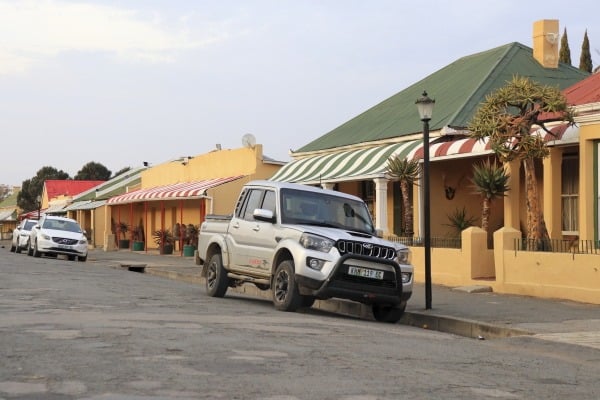
Why are small towns so charming? And why is it important to write down your own story? Those were the two themes darting through the Karoo Writers Festival held in Nxuba, better known as the small Karoo town of Cradock.
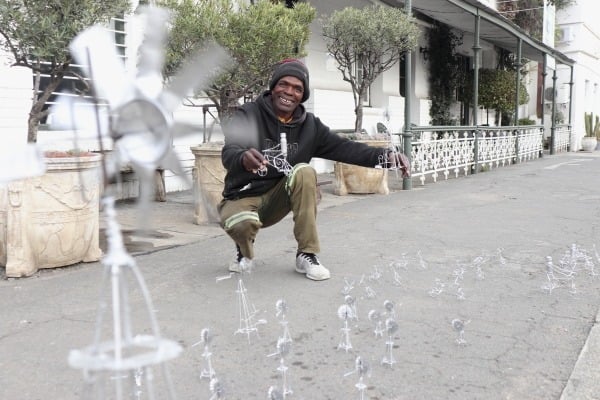
It is easy to answer both questions with one single word: People. Most small towns seem to have amazing people, and their stories prove it.
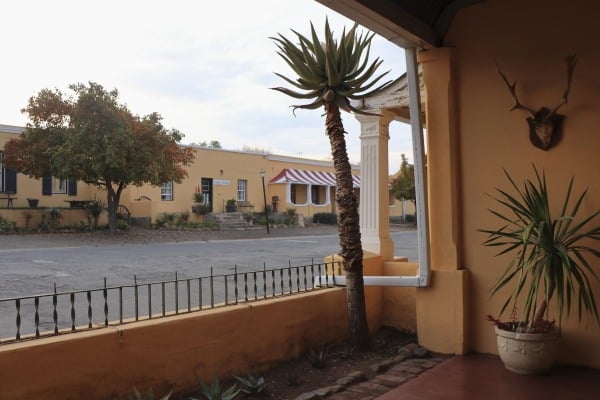
Writers, educators and book lovers from all over the country got together from 18 to 20 June 2026, celebrating the power of storytelling.
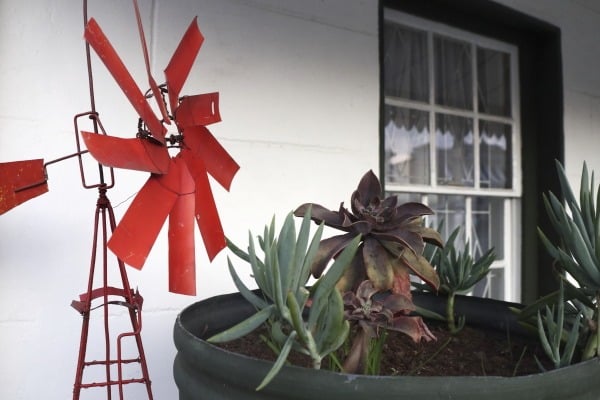
The setting was Die Tuishuise and Victoria Manor in the renowned “story street”, so lovingly restored by Sandra Antrobus.
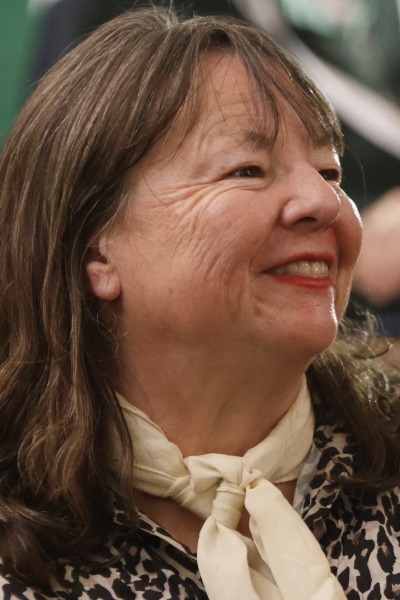
Lisa Antrobus, Sandra’s daughter, and her husband, David Ker, organise the festival. Lisa’s sister, Cherie, is in charge of the kitchen. The Karoo food served at the Karoo Writers Festival should be enough to tempt anyone to join this intimate, warm event. The Amazwi South African Museum of Literature helped Lisa Antrobus with the logistics, and the AVBOB Poetry Project sponsored the educators’ programme.
There is jazz in cooperation
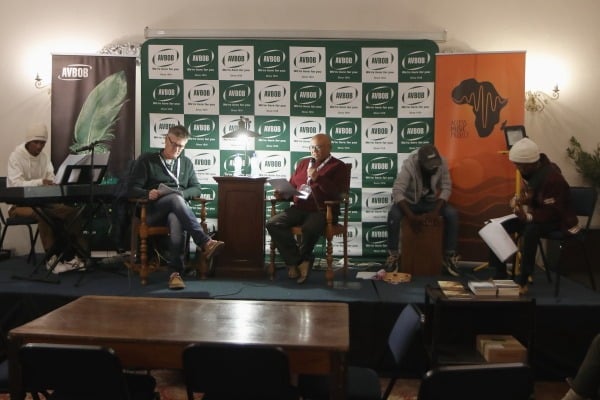
On opening night, 18 June, Stephen Symons, winner of the 2026 Olive Shreiner Prize for Poetry, and local author Clinton V du Plessis, a former winner of the AVBOB Poetry Prize for Afrikaans, teamed up with three senior members of Access Music for an auditory journey. Access Music is based in Makhanda, and the group teaches people from various walks of life to read music and play instruments; some of the senior members are now teaching others and have begun composing their own music. A week ahead of the festival’s start, the poets sent their texts to Access. The three musicians created a soundtrack for the performance. They created a jazz-like flow between the poets’ words and their music.
The Olive Schreiner Prize is awarded by the English Academy of Southern Africa and is the equivalent of the Hertzog Prize for Afrikaans. The prize is awarded annually, but only for one genre, and then three years’ worth of books in that genre are taken into consideration. So, one year, a writer of prose will receive the prize for work published in the previous three years, then, then next year it is the turn for drama and in the next year poetry gets awarded.
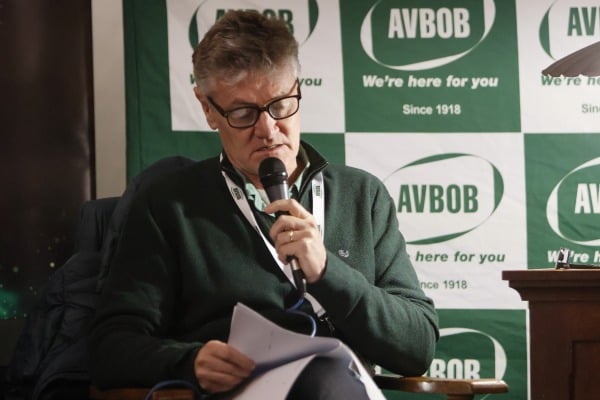
Symons won the 2026 Olive Schreiner Prize for Poetry with his collection The algebra of insignificance. In it, he investigates the beauty in the everyday events around us.
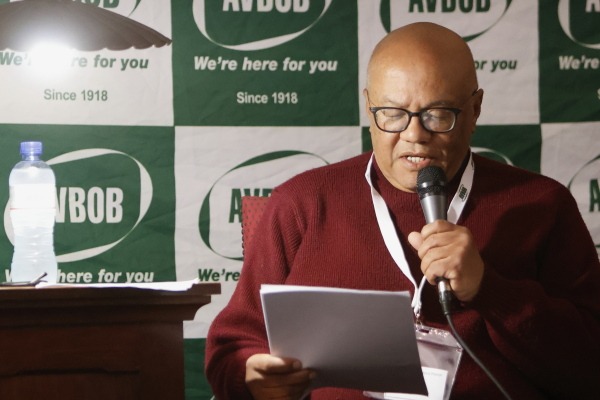
Clinton V du Plessis was reading from his latest poetry collection, Maar steeds sal daar miskien. His poems dealt with a society’s anger about child abuse.
Training the educators and sharing creative thought
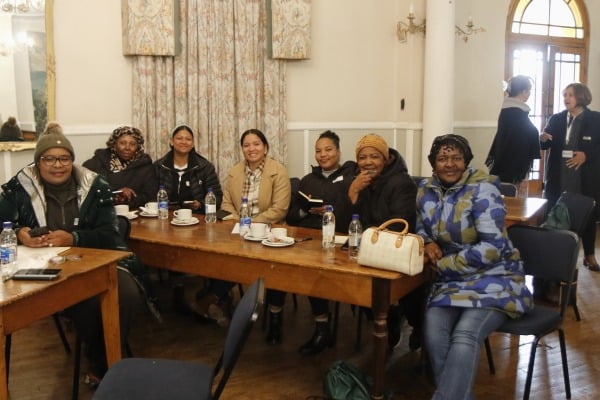
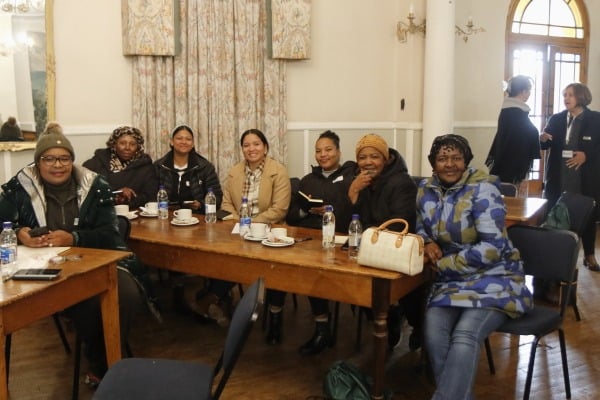
On Friday morning, educators from as far as Komani braved the cold weather to attend workshops aimed at providing educators with skills for the classroom.
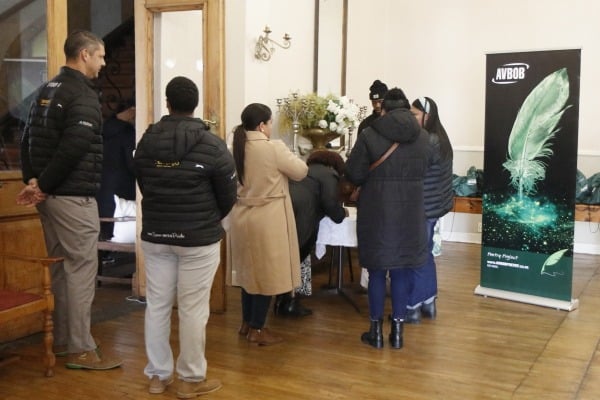
These sessions were sponsored by the AVBOB Poetry Project. Through this upskilling of educators, up to 25 000 learners in Eastern Cape schools could benefit.
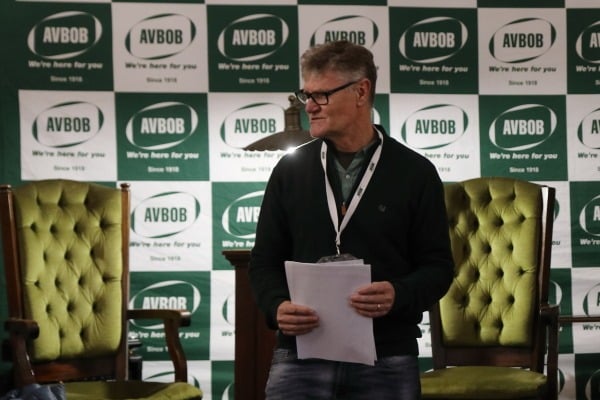
Stephen Symons, a former high school teacher, ran a workshop titled: “Why poetry matters … especially in the classroom”.
Not only did he share wisdom regarding poetry, but he also ran the workshop in a way that teachers could learn from him how to present certain elements in the classroom. “Poetry offers clarity,” said Symons.
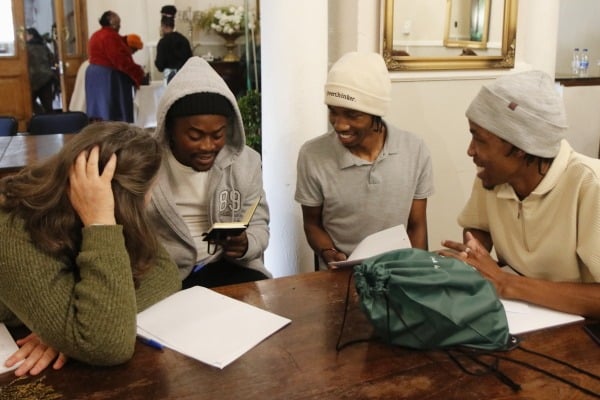
In a time of short attention spans, poetry is a form of communication that shows what can be done by using a few well-chosen words. More so, while many fear that AI will take people’s jobs, it is important to challenge learners to think creatively in ways that AI simply cannot compete.
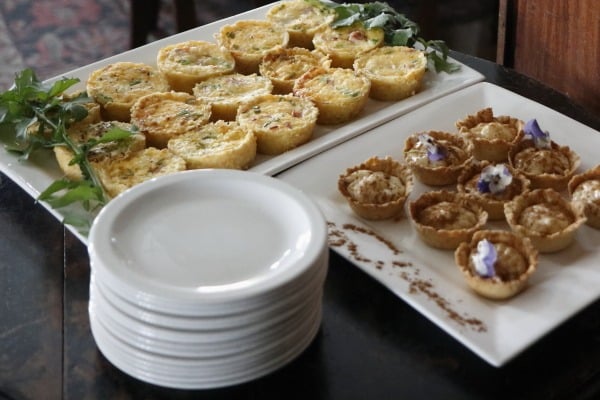
The hotel looked after us!
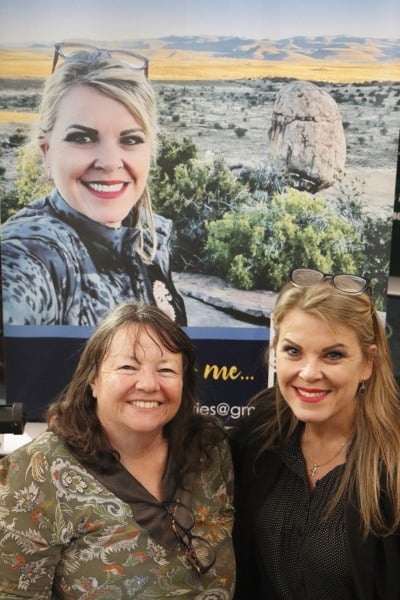
Tammy Southby (right), here with Lisa Antrobus, is the creator of the hugely popular page “Sunshine simplicities”.
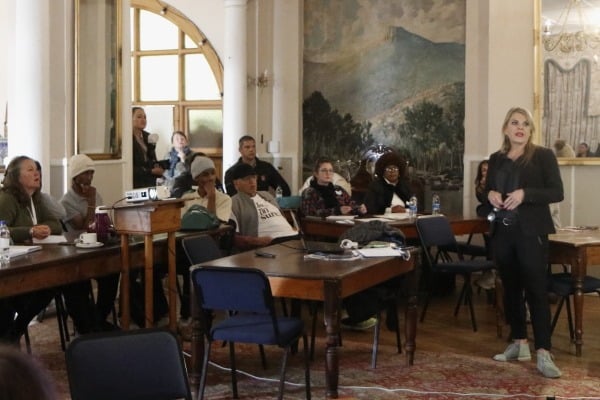
Southby shared tips for using short pieces of text and well-chosen photographs to grab a reader’s attention. She also gave advice on how to deal with cyberbullies.
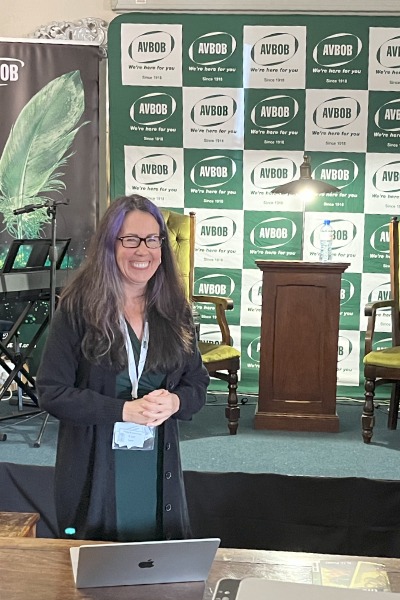
Jessica Powers, better known as the award-winning author JL Powers, explained how she sets about creating a page-turner that will get teens off their phones and reading a book. By challenging the educators to put pen to paper themselves, she helped them understand how to inspire learners to do the same.
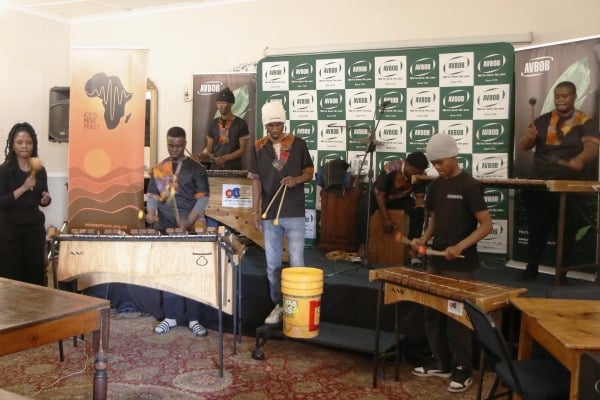
After lunch, Access Music performed some energetic pieces.
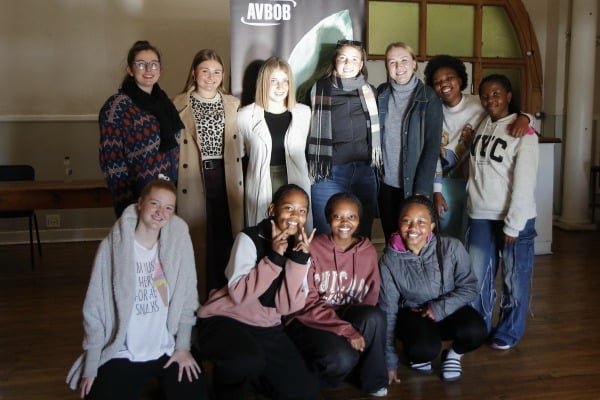
Then there was an open microphone session. A number of authors from Nxuba participated.
Poetry and publishing at Schreiner House
At Schreiner House, a satellite of the Amazwi South African Museum of Literature, poetry and publishing were celebrated and discussed.
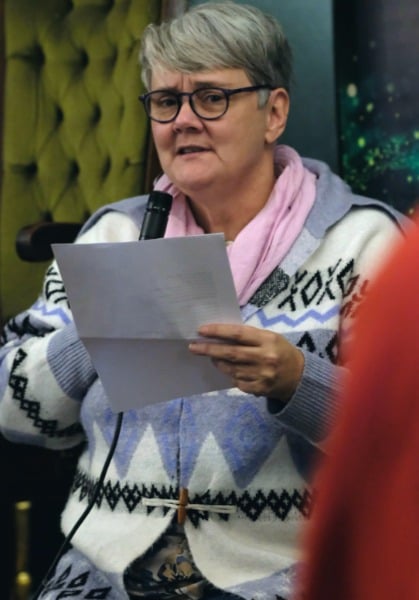
(Photo by Tom Jeffery)
Jeannie Wallace McKeown read from her poetry collection Ornithology.
Deborah Seddon read from her poetry collection Magnitude.
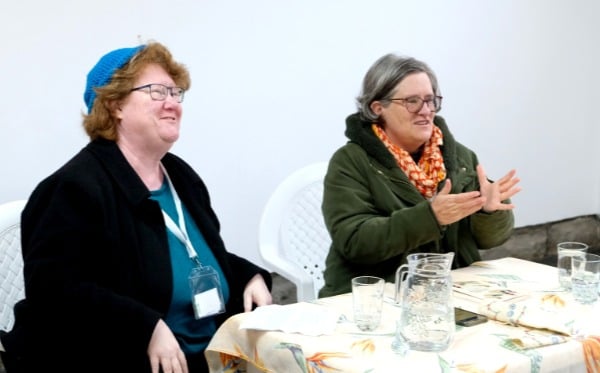
(Photo by Tom Jeffery)
Crystal Warren interviewed Colleen Higgs on her long career at the head of Modjadji, an independent publishing firm. They also spoke about My mother, my madness, written by Higgs.
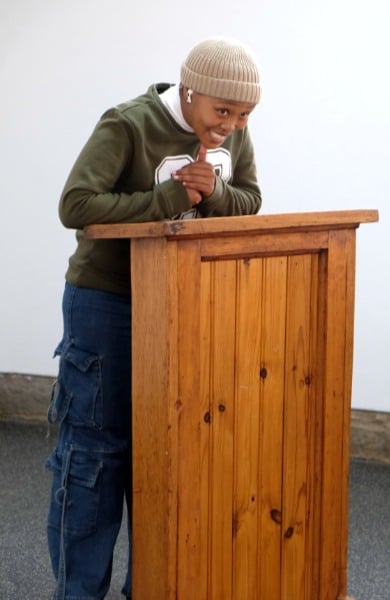
(Photo by Tom Jeffery)
Rolene Simons recalled her experience of filming a short movie, Unconscious.
Members of the Nxuba Creatives Council read and performed poetry.
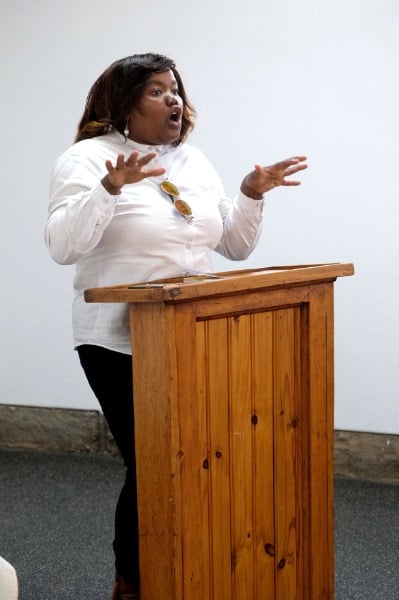
Mthombokazi Mali (Photo by Tom Jeffery)
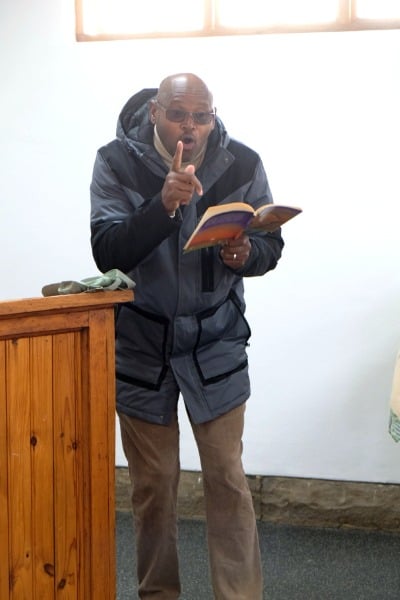
Thembisile Matoto (Photo by Tom Jeffery)
The importance of keeping a record
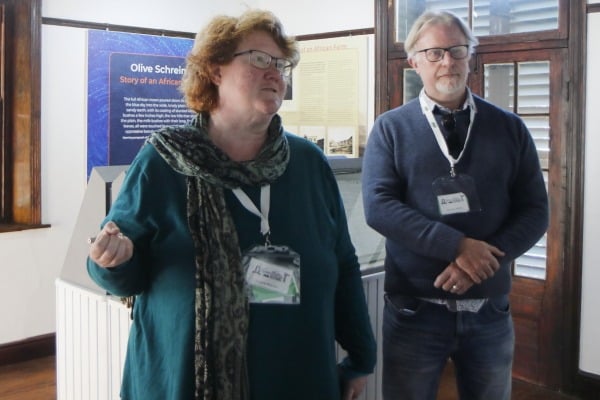
After lunch, Crystal Warren and Thomas Jeffrey led a tour of exhibitions in the newly revamped Schreiner House. Schreiner, her husband Cronwright and many of their friends and family kept records, wrote copious numbers of letters and allowed themselves to be photographed. All these records are what made it possible for the team at Amazwi to create the exhibits.
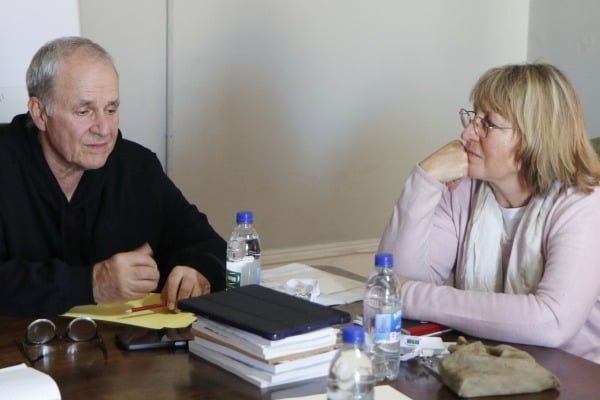
Chris Marais and Julienne du Toit ran a memoir writing workshop. They began by explaining how important memoirs are to their work. The couple have created numerous books with photographs and stories of the Karoo. They enjoy interviewing people in the small Karoo towns they work in, and they purchase memoirs whenever they can, because those records tell them so much about a certain town’s history and how people used to live there at certain periods.
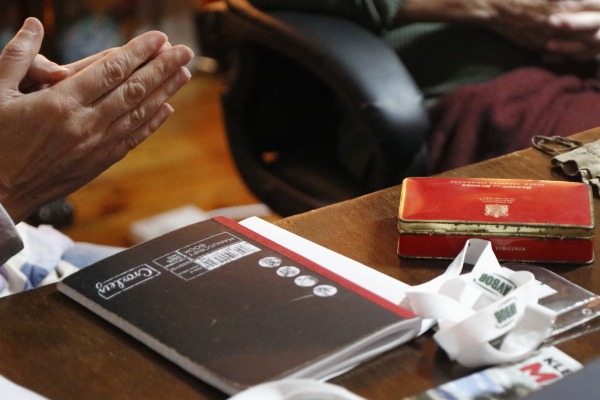
They also showed photographs and everyday objects from their own collection to explain how stories can flow from investigating seemingly insignificant items.
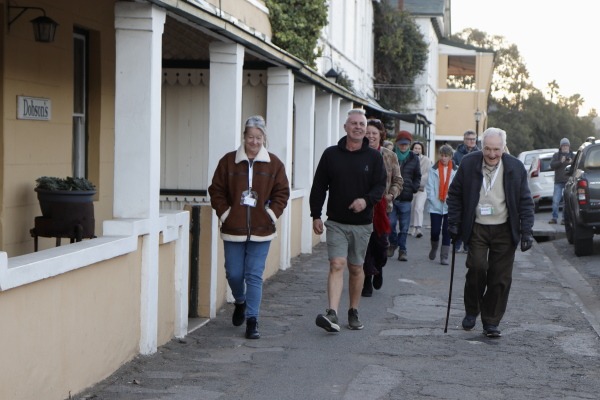
Pieter van der Westhuizen (middle, front) led a walking tour, taking visitors past some of Nxuba’s interesting historic buildings.
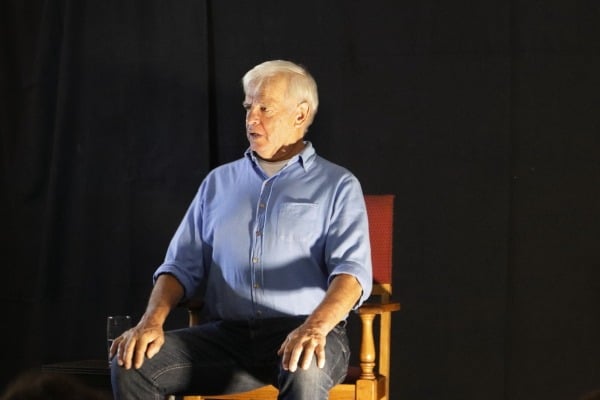
After dinner, David Muller performed his Blood and silver, his own stage adaptation of Jan Glazewski’s memoir by the same name. It was excellent and a show I can only recommend.
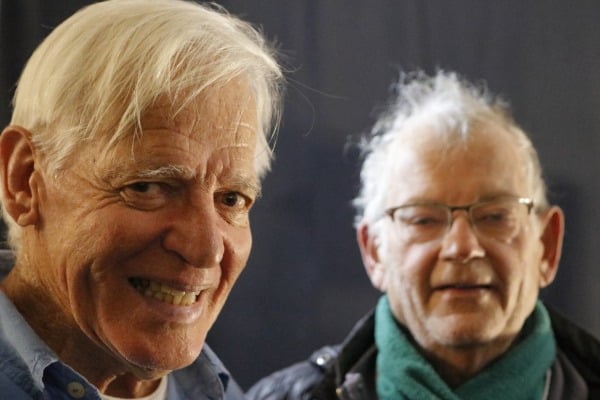
Here is Muller with Glazewski. They took questions from the audience after the show.
The wonders of small towns and their books
On Saturday, the festival celebrated small towns and their writing inhabitants.
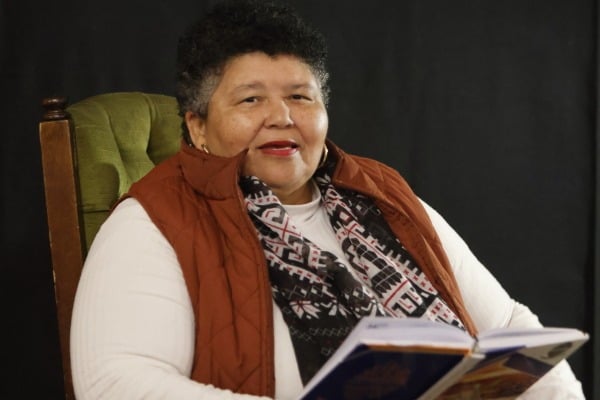
Freda Froehlich, an author from Nxuba, is a wellness champion for a large construction company. She helps the workers, often men, who spend long hours building and fixing our roads. Froehlich shared some stories from her work and her memoir.
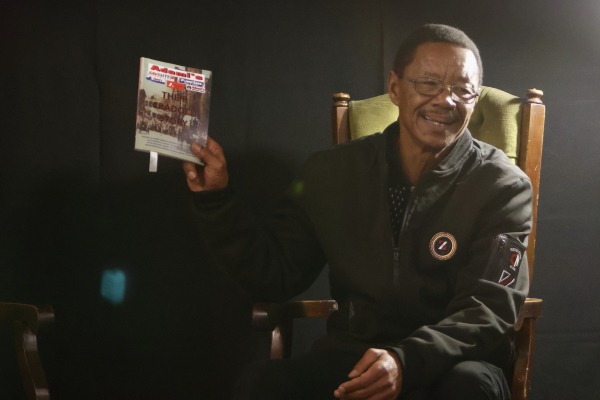
Jimmy Simons, also from Nxuba, has written a number of books. His latest covers the remarkable story of the Adami family, who own a number of businesses in the town.
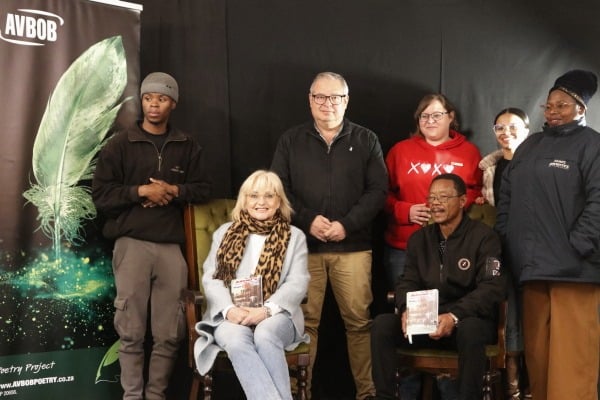
Members of the Adami family, some seen here with Simons and a few of their staff, have known severe hardship, but have managed to be successful. Today, they employ many individuals and provide opportunities for many others.
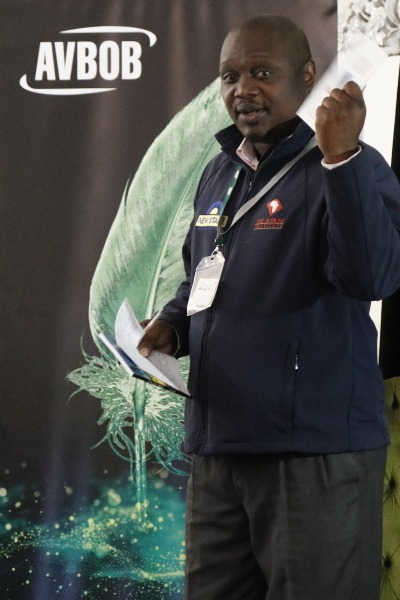
Luyolo Stengile works in the local magistrate’s court. He is especially interested in the safety of young Xhosa men when they “go to the bush” for initiation.
(Photo by Tom Jeffery)
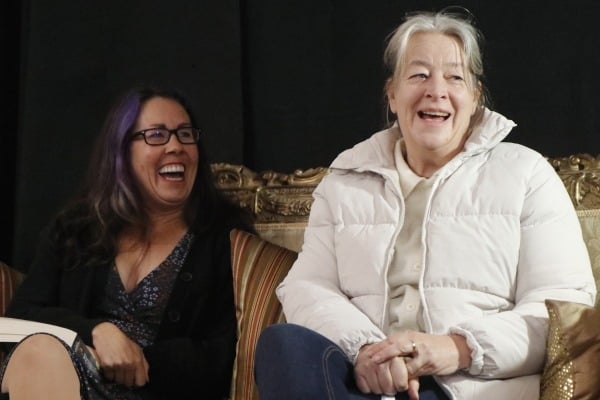
I then got to interview Jessica Powers (left) and Dorothy de Kock (right). De Kock, who comes from Bedford, is the Winner of the Writers of the Future contest for her short story “Thickly”, a science fiction tale set in the town of Bedford. Women buy Thickly, a product that makes them plumper; that, in turn, makes them bolder and more assertive. It is a story of hope: When the women start standing up to the men, things improve in the town.
Jessica Powers comes from El Paso, a city in Texas, USA, which is on the Mexican border. She has a keen interest in Africa, though. Her master’s degree was on propaganda during the Zimbabwean Liberation War. For her PhD, she worked in Imbali, a township in KwaZulu-Natal. She is the author of award-winning young adult books and is the founder and owner of Catalyst Press, a publisher that focuses on African stories.
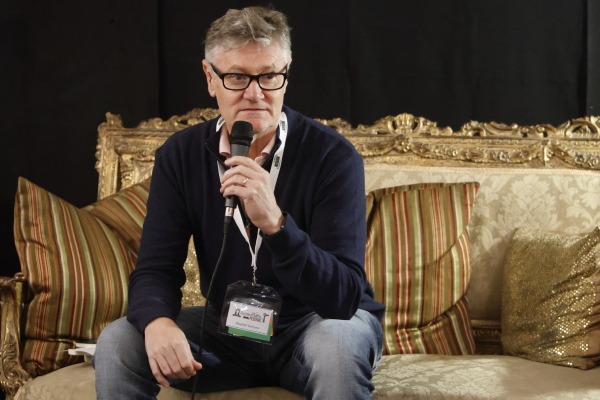
Stephen Symons, winner of the 2026 Olive Schreiner Prize for Poetry, read poems from his latest collections, For everything that is pointless and perfect and The algebra of insignificance.
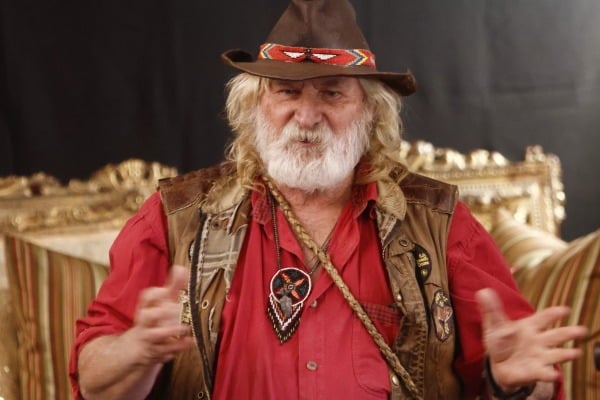
Basil Mills is Makhanda’s real-life version of Crocodile Dundee. He grew up in a zoo, with animals as his friends. His parents then founded a circus, and Mills was the lion tamer. After his parents died, he found comfort from farmers who allowed him to work and stay on their farms. He spent many years in the veld, learning to track animals. Mills also learned masonry from the farm workers. When Olive Schreiner’s sarcophagus was in disrepair on top of Buffelskop, it was Basil Mills who had to walk up with cement and water to rebuild it.
(Photo by Tom Jeffery)
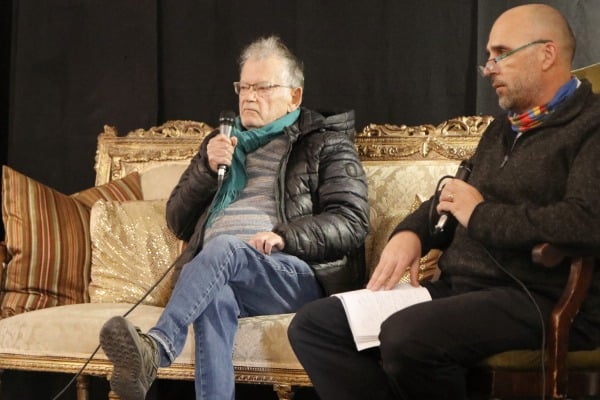
I then got to interview Jan Glazewski about his memoir Blood and silver. Glazewski is a leading figure in environmental law. His knowledge helped shape both the Namibian and the South African Constitutions.
(Photo by Tom Jeffery)
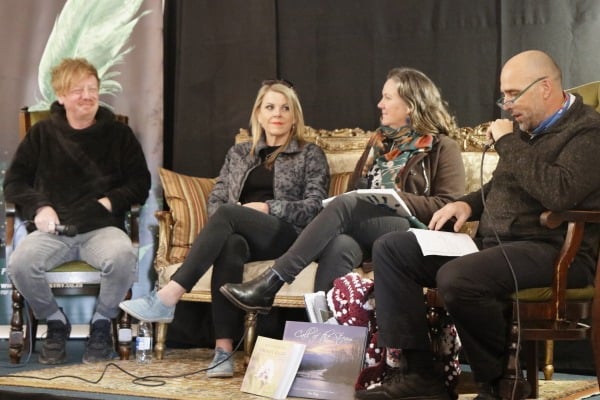
Next, I interviewed Melvin Iverson, who writes the Facebook page “Die swerwer” (left), Tammy Southby, who writes the Facebook page “Sunshine simplicities” (middle), and Bridget Harrison, who helps to manage and market the Rhodes Stoepsitfees (right). Each of them loves the little towns they travel to; they help to celebrate the people they meet during their sojourns.
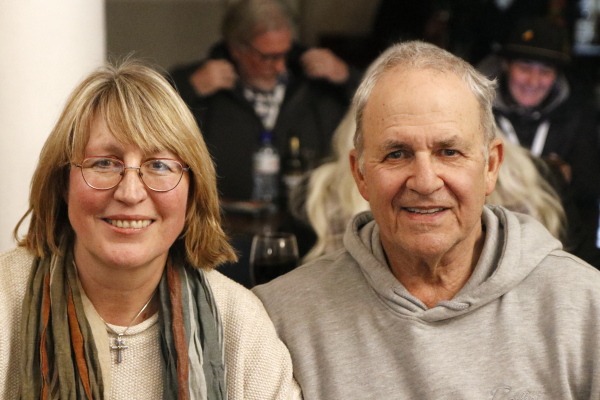
Chris Marais and Julienne du Toit are well loved for their celebration of Karoo towns and the many books they have published on the subject.
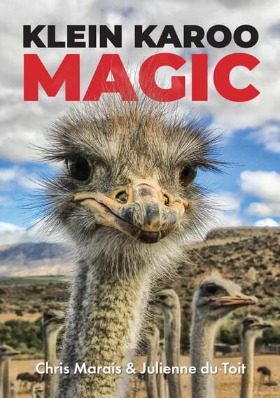
Klein Karoo magic is their latest book, in full colour this time. They treated festivalgoers to a slideshow and the stories that led to the book.
The Karoo Writers Festival ended with a special dinner cooked from Tony Jackman’s Retro Karoo food, his latest book of recipes and stories.
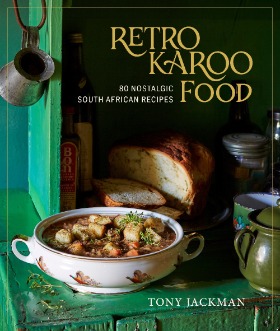
Many of the photographs in the book were taken in the Victoria Manor or one of the Tuishuise.
See also:
Schreiner’s legacy attracts international contributors to Cradock
- Pohotography: Izak de Vries, unless otherwise indicated