

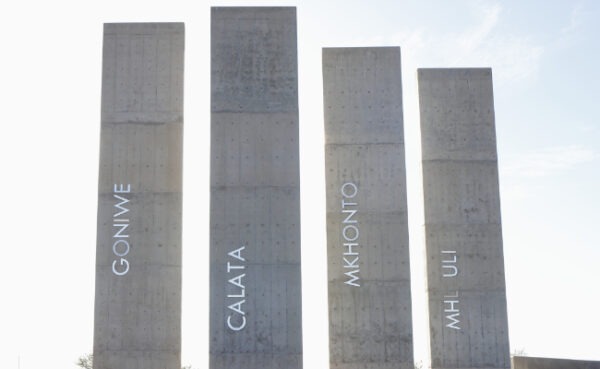
In the High Court of Gqeberha yesterday (2 June 2025) another inquest into these horrific killings began.
There have been two previous inquests both well publicised and neither conclusive.
Two years after the second, Alex Boraine of the Truth and Reconciliation Commission (TRC) announced, in January 1997, 12 years after the murders, that the Commission had received amnesty applications from six men, all white security policemen previously stationed in (then) Port Elizabeth, requesting amnesty for these murders. Later applications for amnesty for other offences led to two further applicants’ emerging, including the well-known Eugene de Kock.
Howard Varney, the advocate representing the Cradock Four in the inquest that began yesterday, gave a masterful opening address in which he described the initial six applicants as three “masterminds”, the planners of the brutality; three “killers”, who were the men who did the murdering; and the two later additions to this gruesome group, including De Kock, whom Varney described as “peripherals”. There were three others in the “killing squad”, three black security policemen, who had, of course, been made to do the most horrific of these murderous tasks, namely the repeated stabbing of the four bodies, the final killing. Their reward for this was to be later killed by their colleagues, who had come to believe that they might have brought these horrific events to the light of day. They were killed well before their colleagues submitted their TRC applications.
None of the six “masterminds” and “killers” received amnesty from the TRC. The two “peripherals”, however, did.
So there we have it.
The Cradock Four were murdered in 1985. Four years later the first inquest found no person or organisation to whom/which blame could be attributed. After another four years the second found that the murderers had clearly been in the employ of the state, but could attach no names or departments of state to these acts. Another four years pass, and the TRC gives us eight names, six of whom they find do not qualify for amnesty.
That was 28 years ago, and in this lengthy period, for all of which the South African government has been run by the African National Congress, the National Prosecuting Authority has made no effort whatsoever to charge any of these parties. This despite many requests from the TRC and its successor bodies.
Now such prosecutions are impossible – all six of the confessed murderers have died.
What, then, is left for this inquest to do?
Plainly there are three wrongs that need righting.
Firstly, as Advocate Thembeka Ngcukaitobi argued on Monday, there must have been others, reaching up high in the then government, who were giving the orders, pulling the strings. Policemen work off instructions – who gave this gang their orders? Who set the murderers on their path? To answer these questions must surely be one ambition for this inquest.
Secondly, it is highly likely that the “no prosecution” climate must have been on instructions. As Advocate Varney argued: “They now know that political forces intervened to block the cases from proceeding.”
Who? Why? On whose instructions?
The President has set up a judicial commission to inspect just this issue, and of course we wish it well. But its existence should not slow Madam Justice Beshe’s inquest from digging into this matter.
And thirdly – the vexatious matter of reparations.
Nothing this inquiry can do can bring back these remarkable men, and to put a price on their deaths seems insulting in the extreme. But it was done previously. After the second inquest which concluded that the state was responsible for these deaths, the widows and families were made to approach the civil courts, and were paid amounts ranging from R75 000 to R434 000. This was at a time when apartheids chief spy Niel Barnard was paid R1 000 000 to move from the spy department to a plush job in the Western Cape Provincial Government of Hernus Kriel..
To have to approach the courts? Surely there is another way? All those delays, all that humiliation. Surely not again? While it is probably beyond the ambit of this inquest to award reparations, surely it can point the way through the bureaucracy and recommend quantum?
We all wish Madam Justice Beshe’s inquest the best of wisdom to come to a courageous and creative set of conclusions which will hopefully address the above three matters.